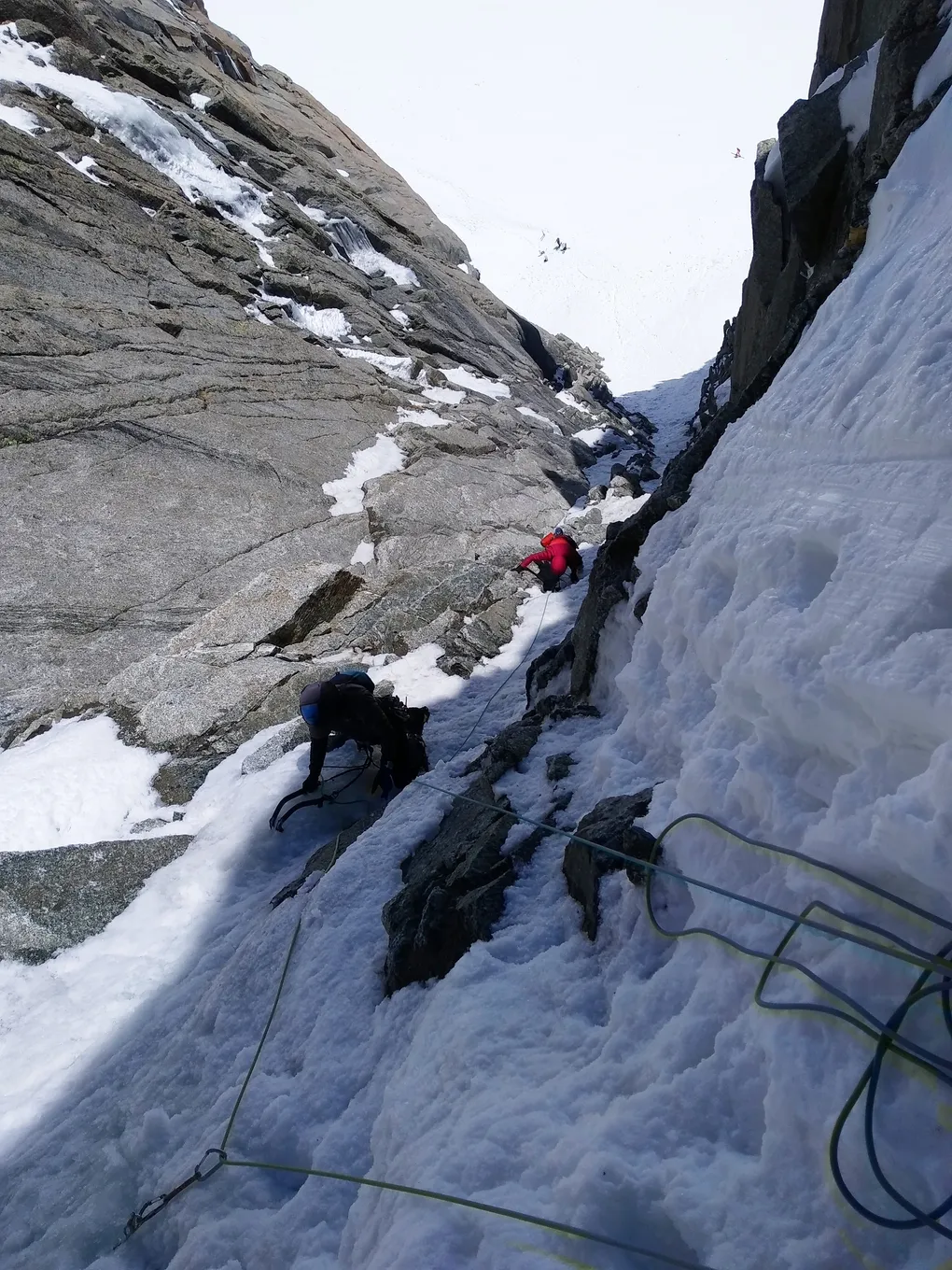
Alpine Climbing: A Developer's Approach to Risk Management
As both a software engineer and an alpinist, I’ve noticed fascinating parallels between managing risk in code and managing risk in the mountains. Both require systematic thinking, preparation, and the ability to make decisions with incomplete information.
The Pre-Trip Code Review
Before any climb, I conduct what I call a “pre-trip code review.” Just as you wouldn’t deploy without reviewing your code, you shouldn’t climb without reviewing your plan.
The Checklist Approach
Pilots use checklists. Surgeons use checklists. Why shouldn’t climbers?
Gear Check:
- Harness: inspected for wear
- Rope: no visible damage, stored properly
- Carabiners: gates functioning, no cracks
- Helmet: no impacts, straps intact
- Protection: full rack checked and organized
Route Planning:
- Weather forecast: 3-day window minimum
- Avalanche conditions: current bulletin checked
- Escape routes: at least two identified
- Team fitness: honest assessment
This systematic approach mirrors code reviews: thorough, methodical, and ego-free.
Defensive Programming in the Mountains
In coding, defensive programming means anticipating failure. In alpinism, it means assuming things will go wrong.
Redundancy is Key
Just as we have backup systems in production:
- Multiple Anchors: Never trust a single point
- Backup Navigation: GPS + map + compass
- Extra Food/Water: Always carry 1.5x your planned need
- Communication: Satellite messenger + whistle + signal mirror
Fail-Fast Philosophy
In development, we want systems to fail fast and loudly. In climbing:
- Weather deteriorates: Turn back early
- Team member struggling: Address it immediately
- Gut feeling says no: Listen to it
Risk Assessment: The Engineering Mindset
Software engineers assess risk constantly. We ask:
- What’s the probability of failure?
- What’s the impact if it fails?
- Can we mitigate it?
Apply this to climbing:
High Probability, High Impact: Avoid (unstable weather forecast) Low Probability, High Impact: Mitigate (crevasse fall → rope team) High Probability, Low Impact: Accept (minor discomfort) Low Probability, Low Impact: Ignore
Decision-Making Under Uncertainty
In both fields, we often decide with incomplete data.
The 80/20 Rule
You’ll never have 100% certainty. Learn to act on 80% confidence:
- In code: Ship with tested features, iterate on feedback
- In climbing: Make the call with available information
The Sunk Cost Fallacy
Walking away is hard, whether it is:
- 6 months of code development
- 6 hours of approach hiking
But summit fever (or deployment fever) can be dangerous. Learn to retreat.
Continuous Learning and Iteration
After every project and every climb:
- Post-mortem: What went well? What didn’t?
- Document: Keep a log of decisions and outcomes
- Share: Contribute to the community knowledge base
- Improve: Apply lessons to the next adventure
The Human Element
No amount of technical skill replaces good judgment. Trust your team. Communicate clearly. Check your ego at the trailhead.
Conclusion
The mountains have made me a better engineer, teaching me humility, systematic thinking, and respect for forces beyond my control. Engineering has made me a safer climber, giving me frameworks for risk assessment and decision-making.
Whether you’re debugging production issues at 3am or navigating a bergschrund at dawn, the principles are the same: prepare thoroughly, assess constantly, and know when to bail.
Stay safe out there—in your code and on your peaks.